
Searching Pulaski County Criminal Dockets
For a Pulaski County Circuit Court felony docket, begin with the free Search ARCourts portal. Know the case number? Use case-information mode. Otherwise search by participant and choose PULASKI CIRCUIT. That filter matters. The Sixth Judicial Circuit also covers Perry County, and a common name can pull results from several courts at once. Start broad, then narrow with case type, year, or status only if the list runs long.
The portal is not the only channel. Court Clerks handle existing Pulaski Circuit criminal cases at 501-340-8431. For copies and certified records, County Records sits in Room 103 at 401 West Markham Street and answers at 501-340-8766. Misdemeanor and preliminary matters may live with a specific city or county District Court clerk. Older files can mean paper, archive, or microfilm retrieval.
- Open Search ARCourts and choose participant or case-number search.
- Select PULASKI CIRCUIT and use criminal criteria only as needed.
- Match the court, filing date, case type, and status.
- Read Case Events, Offenses, Sentences, and Docket Entries separately.
- Call the responsible clerk for a missing image, older record, or certified copy.
Pulaski Criminal Case Numbers
A Circuit felony number like 60CR-25-3077 tells you a lot. County code 60 means Pulaski. The letters CR flag the criminal case type. The next two digits give the filing year, and the final group is the sequence. A number this precise often beats a name. It pulls the cleanest Pulaski County criminal docket result.
City misdemeanor and traffic cases do not fit that mold. District Court identifiers differ. Not every District Court feeds the same detail to Search ARCourts. A number may break the Circuit pattern. In that case, take the court name from the notice, citation, or prior order. The Pulaski County directory lists contacts. Those contacts can route a criminal docket question to the right clerk.
Note: A court prefix identifies the record system; it does not state the outcome or current status of a Pulaski criminal case.
Inside a Pulaski County Criminal Docket
Search ARCourts splits one Pulaski County criminal docket into blocks. The Case Summary holds the case number. It also lists the filing date, court, type, and open or closed status. Participants are listed with their roles. These include judge, State of Arkansas, defendant, prosecutor, defense counsel, and bond company. Case Events show scheduled appearances. Offenses, Sentences, and Docket Entries each carry their own meaning. Each block needs to be opened and studied one by one.
| Case Number | A Pulaski Circuit identifier such as 60CR-25-3077. |
|---|---|
| Offenses | Description, offense date, statute, plea, disposition, citation, and related participant fields. |
| Case Events | Date, time, event label, courtroom, location, and judge. |
| Docket Entries | Filing time, description, detail, filing person or official, and document status. |
| Sentences | A separate block populated when sentence data has been entered. |
A blank field is not an answer. It only means the public view shows no value there. In the same way, “CASE CLOSED” is a case-level status, not a stand-in for the plea, disposition, and sentence fields.
Pulaski Criminal Docket Blocks
Offenses, sentences, and docket entries answer different questions. An offense row describes a charge and may show its plea or disposition. The sentence block states punishment or conditions after a conviction or plea. The chronological register records what was filed. It also shows what the court did about it. Reading only one block can paint a false picture of a Pulaski County criminal docket.
- Bond assessed
- A docket entry recording an amount or type. It is not proof that bond was posted or the person was released.
- Disposition
- The recorded result for a charge, such as conviction, dismissal, acquittal, or another listed outcome.
- Nolle prosequi
- A prosecutor's formal decision not to proceed with the charge at that time.
- WEB
- The Documents-column marker for a public image linked through Search ARCourts.
Trust the exact value on the case. Do not stretch an empty plea field, a bond entry, or a closed status into a conclusion the Pulaski criminal docket never states.
How a Criminal Case Moves
A Pulaski Circuit criminal docket usually opens with a charging filing. That filing creates the 60CR-YY-sequence number. Participant entries tie the State, defendant, lawyers, judge, and any bond company to the case. The Offenses block describes the charges. The event schedule may add plea and arraignment, omnibus, motion, pretrial, trial, or sentencing dates.
Docket flow: Filing → Arraignment → Pretrial → Plea or Trial → Disposition → Sentencing
The path is rarely straight. One motion can create a hearing and an order; one reset can replace a setting. Post-judgment entries and an appeal may appear even after closure, so read the newest entry with the earlier sequence still in view.
Pulaski Criminal Setting Terms
Pulaski criminal events use labels that describe the setting's purpose. Plea and arraignment covers the formal charge and the plea process. An omnibus hearing bundles several pretrial issues into one case-management setting. A motion hearing takes up a filed request. A pretrial hearing tests readiness before trial. A jury-trial row can span more than one date.
The official Central Receiving page separates new filings from service on existing cases. Its view teaches a lesson. A Pulaski criminal docket should be routed by case stage, not by a broad courthouse label.
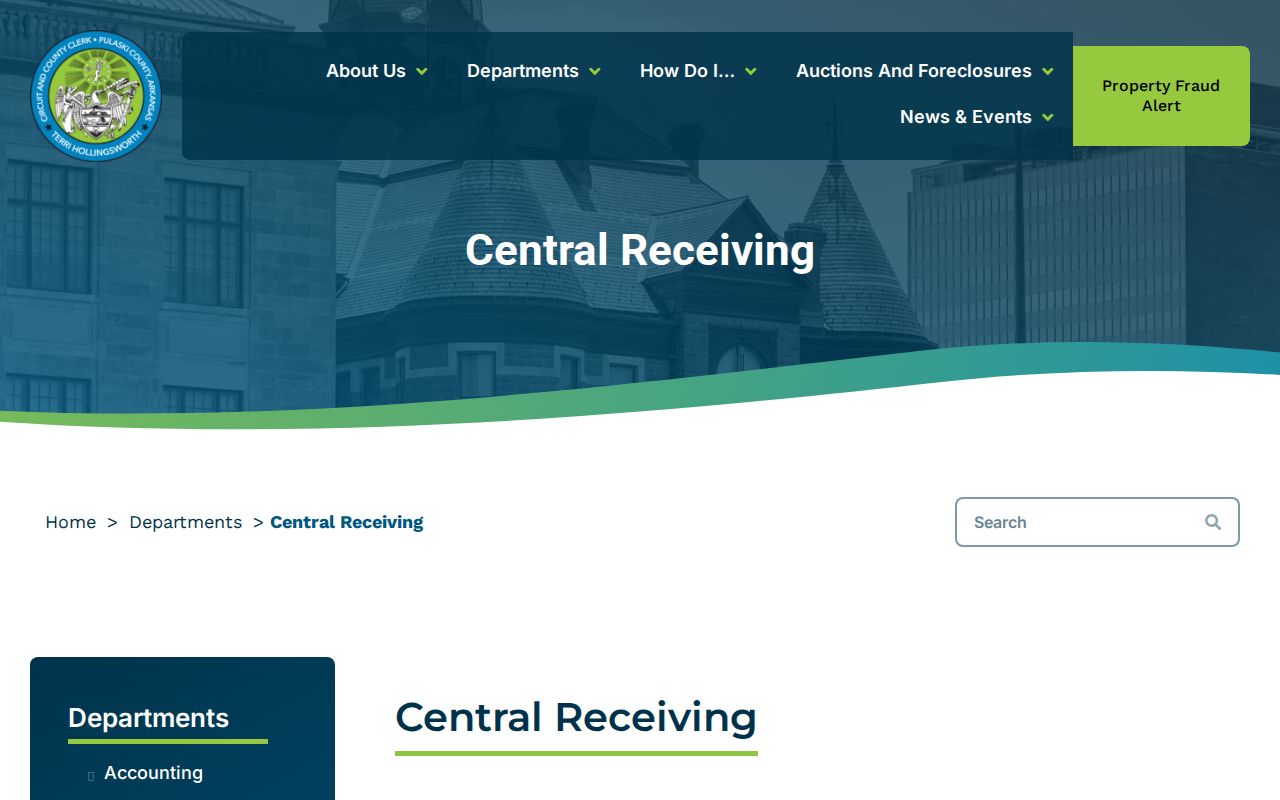
For a criminal case already on file, check Court Clerks or County Records instead of the new-case intake line.
Courts That Hold Criminal Dockets
Pulaski County Circuit Court holds the felony and general-jurisdiction criminal dockets. Misdemeanors, preliminary felony work, ordinance charges, and traffic cases sit with Pulaski County District Court and its Little Rock, North Little Rock, Jacksonville, Sherwood, and Maumelle departments. Each lower clerk controls its own record.
| Venue | Pulaski Criminal Docket | Primary Channel |
|---|---|---|
| Pulaski Circuit Court | Felony and general-jurisdiction criminal cases | Search ARCourts; 501-340-8431 |
| Pulaski County District Court | County misdemeanor, traffic, and preliminary matters | 3001 West Roosevelt; 501-340-6845 |
| City District Courts | Local misdemeanor, ordinance, traffic, and preliminary matters | The named city court clerk |
A District matter does not become a Circuit docket just because it arose in Pulaski County. Only a filing, transfer, or valid appeal creates the Circuit record.
Pulaski Criminal Clerk Channels
The county court directory provides a visual route to Pulaski offices and direct lines.
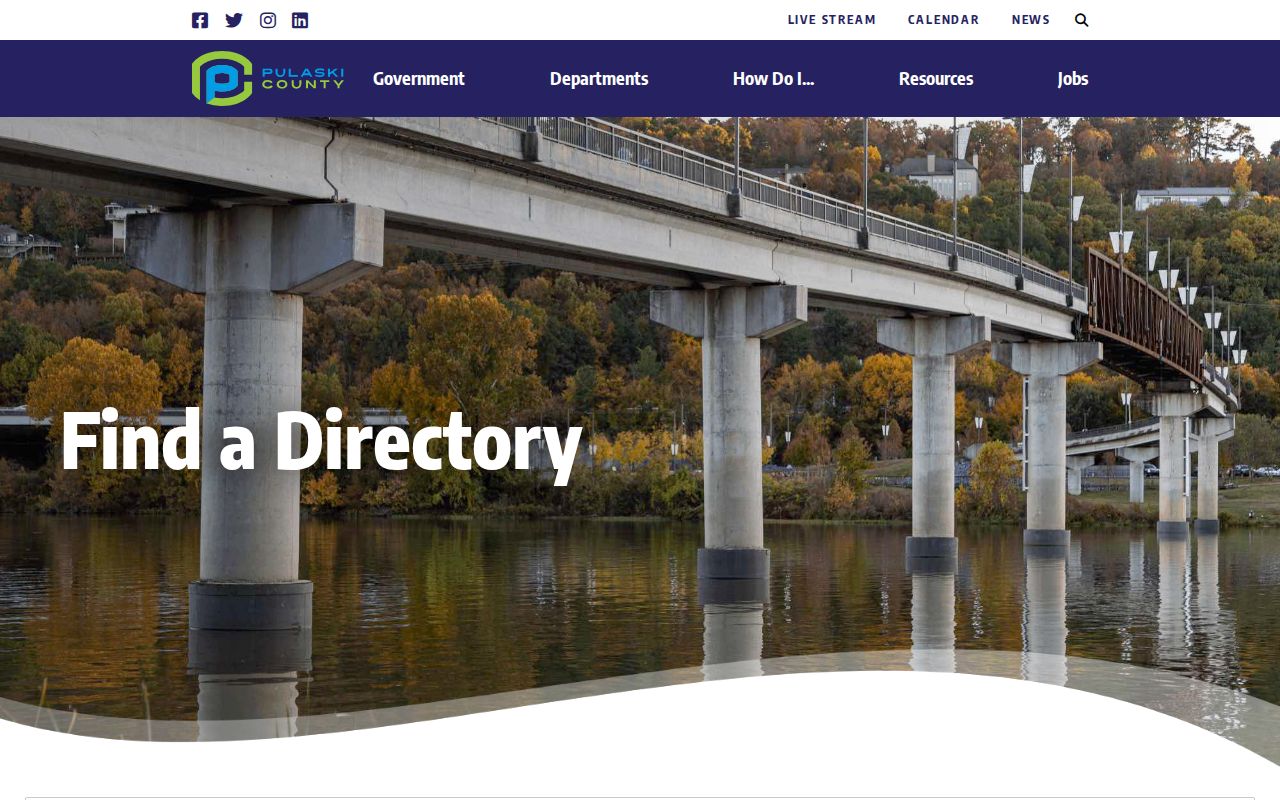
Match the office to the record. Court Clerks handles existing Circuit cases, while County Records retrieves and certifies documents. A certified Circuit court document runs $5. Delivery comes by pickup or postal mail, not email. Lower criminal docket matters go to the District Court clerk that actually heard the case.
Federal prosecutions are separate. The U.S. Attorney for the Eastern District of Arkansas names the federal prosecuting office.
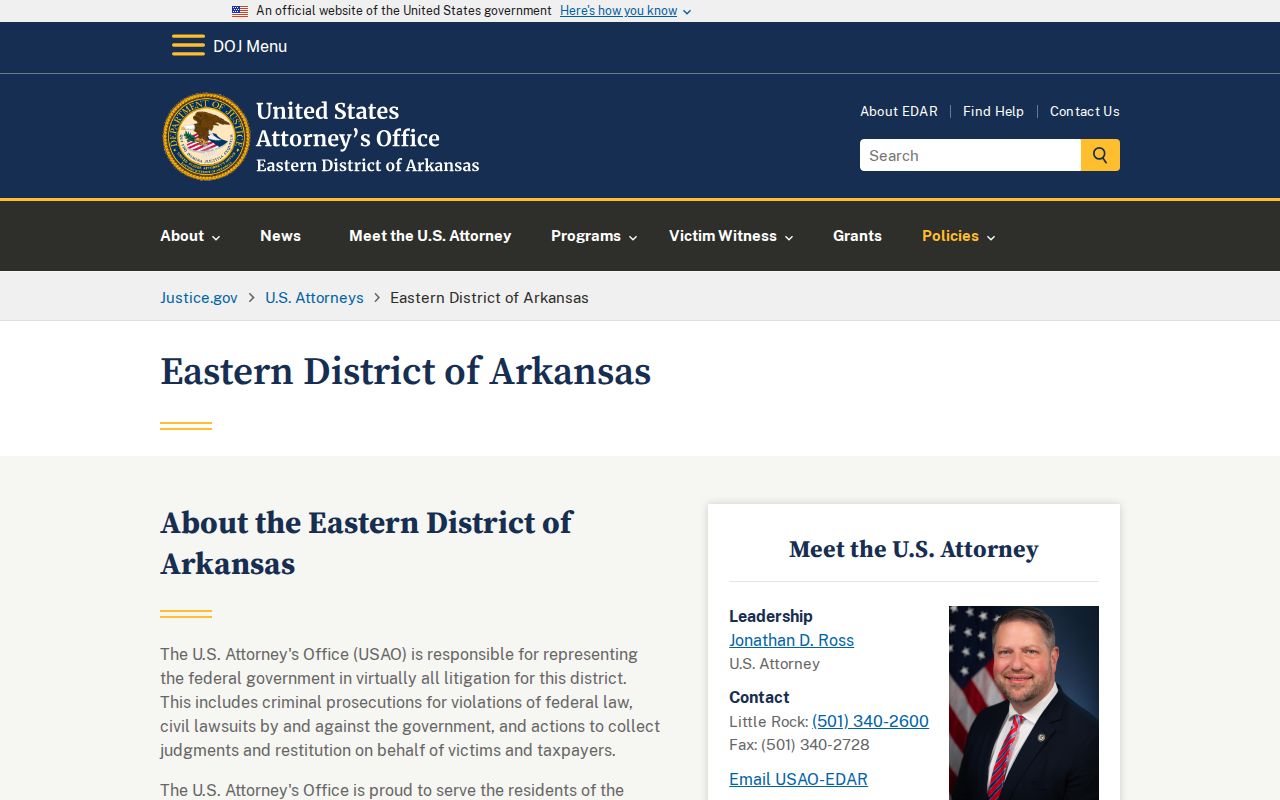
Federal criminal dockets live in PACER and CM/ECF, not Search ARCourts or the Pulaski Circuit clerk's docket.
Pulaski Criminal WEB Documents
A WEB marker in the Documents column means a public image is available. A row reading “None” still happened. The portal simply supplies no image link there. Pop-up settings can block viewing, especially in Safari. So allow the official court domain, without lowering browser safeguards for every site.
If a filing is not linked, write down the case number, entry date, and description. Then ask County Records for that specific document. Staff can tell you whether it is available, archived, or restricted. Remember that the free register and a certified copy are different products. A downloaded image never counts as certification.
Note: Search ARCourts locates Pulaski criminal docket information, while the originating clerk supplies an official certified court document.
Sealed Dockets and Public Access
Arkansas Supreme Court Administrative Order 19 chiefly governs public access to a Pulaski County criminal docket. It shields material made confidential by law, rule, or court order: sealed-case data, protected identifiers, judicial work product, and certain addresses. Juvenile dockets can be closed too. Internet access may run narrower than what the law allows at the courthouse.
Key rules:
Administrative Order 19 governs access to Arkansas court records and excludes confidential material from public release.
Arkansas criminal-record sealing law makes a properly sealed record confidential to the public, subject to statutory exceptions.
Arkansas juvenile-record law permits closure and sets rules that vary with the record and case.
A missing Pulaski criminal docket can mean the wrong court, a narrow search, lag, or an older file that was never digitized. Ask the clerk which explanation fits. No public-record request can override a sealing order.
Pulaski Specialty Criminal Dockets
Pulaski County started Arkansas's first drug court in 1994. Today the Sixth Judicial Circuit runs Adult Drug Court and Veterans' Drug Court tracks for eligible participants. No separate public repository exists for these programs. Their court activity stays attached to the underlying Pulaski County criminal docket. However, treatment assessments and other confidential details may remain out of public view.
So search the ordinary criminal case number. You can find public orders, settings, milestone entries, and disposition data there. But the portal will not expose treatment records. Pulaski County District Court also runs a Sobriety/DWI Court on recurring docket days. A recurring program day proves nothing about one person's signed setting. Confirm the actual case event with the assigned court.
Missing Pulaski Criminal Records
Diagnose a failed search instead of guessing. Check the spelling and try the case number. Clear any incorrect open-case filter. Notice whether the case sits in Circuit Court or a District Court, and review older file options with the clerk. If a criminal case was sealed, public staff may explain the access procedure, but they cannot disclose protected content without authority.
The reliable sequence stays simple. Portal result first, then the responsible clerk, then an entry-level document request, and certification only if needed. That path keeps the Pulaski County criminal docket tied to its originating court and preserves the line between public metadata, a filed image, and the official sealed copy.